-
Schedule a free consultation
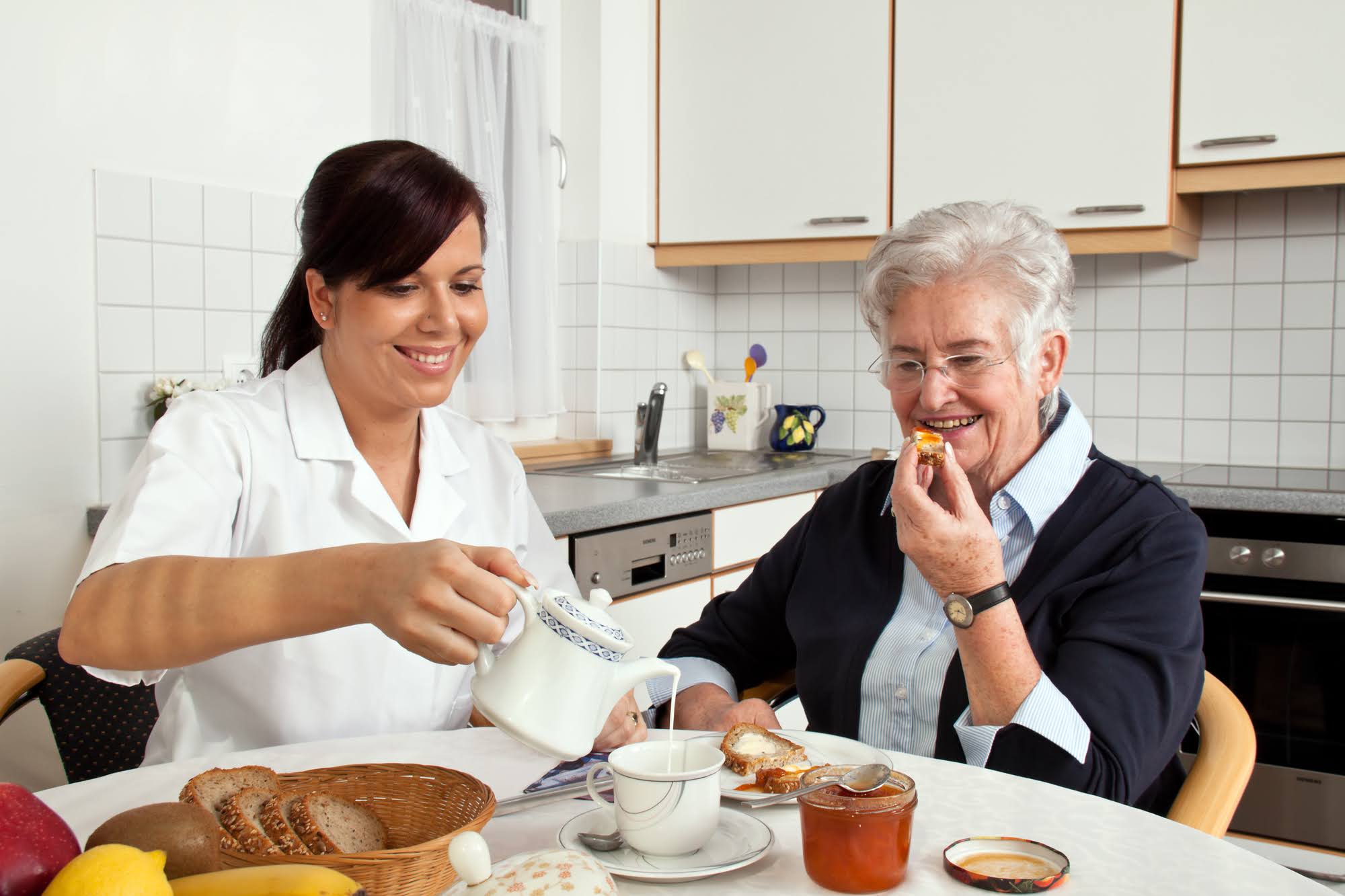
Starting in-home care brings meaningful support into a senior’s daily life while allowing them to remain in a familiar environment. Still, welcoming a caregiver into the home changes how someone experiences their usual day. Even small adjustments feel unfamiliar when they affect routines that a senior has followed for years.
Keeping those routines as consistent as possible makes the transition feel more natural and gives seniors a greater sense of control over their day. It also helps caregivers understand what feels comfortable and familiar to the person they support.
Keep reading to discover ways familiar routines make in-home care a more comfortable and personalized experience.
Familiar Routines Create a Sense of Comfort
Familiar routines make a new caregiving arrangement feel more comfortable and manageable. Seniors often feel more at ease when their days follow patterns they already know, from their usual morning routine to their evening activities. Maintaining these habits helps a caregiver become part of the senior’s daily life without making the transition feel too disruptive.
For instance, a senior may prefer breakfast at a certain time or some quiet time after lunch. When caregivers work around these preferences, they can provide support without disrupting the senior’s familiar daily routine. Keeping this routine consistent makes assistance feel more comfortable and gives seniors time to adjust at their own pace.
Consistency Helps Preserve Independence
That comfort also helps seniors feel more confident in maintaining their independence. Receiving assistance does not mean giving up control over how they want to spend their day. A senior may still prefer to choose when to get dressed, which activities to enjoy, or when to take time for themselves. Caregivers respect those preferences while offering help when a task becomes difficult or requires extra support.
This balance allows seniors to stay involved in their daily routines rather than feeling like someone else has taken over. Giving seniors room to make familiar choices helps care feel more supportive while preserving their sense of independence.
Familiar Patterns Make Daily Tasks Easier
Many seniors feel more comfortable when they move through their day in a familiar order. They may prefer getting ready before breakfast, taking a short walk afterward, or resting at a certain time in the afternoon. When caregivers understand these patterns, they provide support without unnecessarily changing how the senior prefers to spend their day.
More importantly, familiar routines help seniors approach everyday activities with greater confidence. Knowing what to expect throughout the day reduces uncertainty and makes simple tasks feel more manageable. This consistency also gives seniors opportunities to maintain their habits and decide on how to spend their time.
Regular Activities Encourage Meaningful Engagement
Beyond making daily tasks manageable, familiar routines also keep enjoyable activities part of the day. Keeping those activities within the routine encourages seniors to remain involved in things they enjoy rather than focusing solely on the assistance they receive. Caregivers support these interests when appropriate and give seniors opportunities to continue participating. That connection to familiar activities makes each day feel more personal.
Consistent Routines Help Families Notice Changes
As routines become familiar, they help families recognize changes in a senior’s daily habits and overall well-being. A senior who usually enjoys a favorite activity may suddenly lose interest, seem less engaged, or have more difficulty with a task that once felt easy. These changes do not necessarily indicate a serious concern, but they offer valuable insight into how their loved one is doing.
Caregivers who spend time with seniors share these observations with family members, helping everyone stay informed about changes that may otherwise go unnoticed. Family members then decide whether to discuss changes with a healthcare professional or monitor them more closely.
In this way, consistent routines provide a helpful baseline for understanding a senior’s needs over time. They also let families respond thoughtfully to changes, ensuring their loved one receives the attention and support that may be appropriate as circumstances change.
Familiarity Makes Personalized Care Possible
Familiar routines do more than provide structure to a senior’s day. Over time, they also help caregivers better understand the individual they support. Becoming familiar with a senior’s preferences and personal pace helps caregivers approach daily interactions in a way that feels more natural and respectful.
In senior home care, this familiarity shapes support around the person rather than being delivered through a standard approach. Caregivers become more aware of what helps a senior feel engaged and how they like to receive assistance. This understanding makes everyday care feel more personal while still allowing seniors to maintain a sense of choice and independence.
Routines Make Changes Easier to Manage
Even when a senior’s care needs change, familiar routines make the transition easier to navigate. A change in care hours or adjustments to daily activities may introduce unfamiliar elements into the day. Keeping certain parts of the routine consistent helps seniors adjust without feeling that everything has changed at once.
Families support this process by sharing important preferences and information with caregivers while giving seniors time to become comfortable with new arrangements. Caregivers also introduce adjustments gradually when circumstances allow, allowing the senior to adapt at a manageable pace.
Maintaining familiar routines does not mean avoiding change altogether. Instead, it provides continuity that helps seniors adjust to new circumstances while still allowing their care to evolve with their needs.
Keep Familiarity at the Center of In-Home Care
Overall, familiar routines play an important role in helping seniors feel comfortable with in-home care. Small habits shape each day and provide stability while letting seniors continue enjoying the activities and connections that matter to them. Rather than changing everything, thoughtful care works alongside the routines that already feel natural.
Live Star Home Care understands that meaningful care should fit into a senior’s life, not completely change it. If you are exploring in-home care for a loved one, connect with our team to learn more about care options that support their needs while respecting the routines that make home feel familiar.
Frequently Asked Questions
Can in-home care follow a senior’s existing daily routine?
Yes. Care can often fit around a senior’s established schedule, including preferred times for meals, rest, hobbies, and other daily activities. This approach can help the transition to in-home care feel more comfortable.
What if a senior’s routine changes from day to day?
Routines do not need to follow an exact schedule. Caregivers can adjust their support as a senior’s needs or energy levels change while still maintaining familiar parts of the day.
How can familiar activities support a senior’s well-being?
Activities with personal meaning can provide enjoyment and encourage seniors to stay connected to their interests. Reading, listening to music, pursuing hobbies, or talking with friends can add purpose to everyday life.
Can seniors still maintain independence with in-home care?
Yes. In-home care can provide assistance where needed while giving seniors opportunities to handle familiar activities on their own.
How does Live Star Home Care approach personalized in-home care?
At Live Star Home Care, we consider each senior’s individual preferences and care needs when providing support. Families can discuss their loved one’s daily habits and priorities to help create a care experience that feels familiar and personal.